Services
Steering System Servicing
Servicing a car’s steering system is vital for ensuring precise handling and safety. The steering system includes components like the steering wheel, column, rack and pinion or steering gearbox, tie rods, and power steering pump (if applicable). Here’s a detailed guide on how to service a vehicle’s steering system:
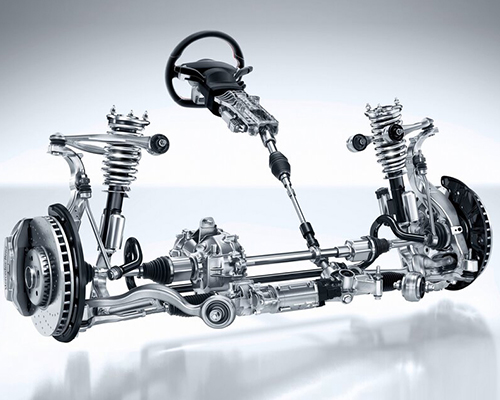
Components of a Vehicle Steering System
- Steering Wheel: Allows the driver to control the direction of the vehicle.
- Steering Column: Connects the steering wheel to the steering mechanism.
- Rack and Pinion or Steering Gearbox: Converts the rotational motion of the steering wheel into linear motion to turn the wheels.
- Tie Rods: Connect the steering gear to the steering knuckles.
- Power Steering Pump: Provides hydraulic pressure to assist steering (in power steering systems).
- Steering Fluid: Transfers hydraulic force in power steering systems.
- Steering Linkages: Components that connect various parts of the steering system.
How to Service a Vehicle Steering System
1. Safety Precautions
- Park the vehicle on a flat, level surface.
- Use wheel chocks to prevent the vehicle from rolling.
- Wear safety goggles and gloves.
- Use a jack and jack stands to lift and secure the vehicle if necessary.
2. Visual Inspection
- Inspect the steering components for signs of wear, damage, or leaks.
- Check the steering column for any play or unusual movement.
- Examine the rack and pinion or steering gearbox for leaks or damage.
- Inspect tie rods and linkages for wear, rust, or damage.
- Look for leaks around the power steering pump and hoses.
3. Checking Power Steering Fluid
- Locate the power steering fluid reservoir under the hood.
- Check the fluid level and top up if it is below the minimum mark.
- Inspect the fluid for contamination. If the fluid is dark or contains debris, it should be replaced.
- Follow the manufacturer’s recommendations for the type of fluid to use.
4. Flushing Power Steering Fluid
- Over time, power steering fluid can become contaminated and lose effectiveness.
- To flush the system, disconnect the return line from the reservoir and let the old fluid drain out while turning the steering wheel from lock to lock.
- Reconnect the return line and fill the reservoir with fresh power steering fluid.
- Bleed the system by turning the steering wheel from lock to lock several times with the engine running to remove any air bubbles.
5. Checking and Replacing Tie Rods
- Inspect tie rods for excessive play by lifting the vehicle and moving the wheel side to side. Any noticeable play indicates worn tie rods.
- Replace worn or damaged tie rods by removing the cotter pin and nut, then separating the tie rod from the steering knuckle using a tie rod puller.
- Install the new tie rod, ensuring it is properly torqued and secured with a new cotter pin.
6. Inspecting and Lubricating Steering Components
- Check the steering linkages and joints for wear or damage.
- Apply grease to any grease fittings on the steering components to ensure smooth operation.
7. Checking the Steering Gearbox or Rack and Pinion
- Inspect the steering gearbox or rack and pinion for leaks, damage, or excessive play.
- Adjust or replace the steering gearbox or rack and pinion if necessary, following the manufacturer’s guidelines.
8. Alignment Check
- After servicing the steering components, it’s essential to check and adjust the wheel alignment.
- Proper alignment ensures that the vehicle tracks straight and handles correctly.
- Have a professional alignment performed using a computerized alignment machine.
Preventive Maintenance Tips
- Regularly inspect steering components every 12,000 to 15,000 miles or as recommended by the manufacturer.
- Check power steering fluid levels periodically and top up as needed.
- Listen for any unusual noises, such as whining or clunking, which could indicate steering issues.
- Pay attention to changes in steering feel, such as increased effort or looseness, and address them promptly.
- Ensure the steering system is inspected during routine maintenance or when you notice any signs of wear or handling issues.
By following these steps, you can ensure that your vehicle’s steering system remains in good working condition, providing precise control, smooth operation, and enhanced safety.