Services
Brake System Servicing
Servicing a vehicle’s brake system is critical for ensuring safety and optimal performance. The brake system includes various components such as brake pads, rotors, calipers, brake fluid, and more. Here’s a detailed guide on how to service a vehicle brake system:
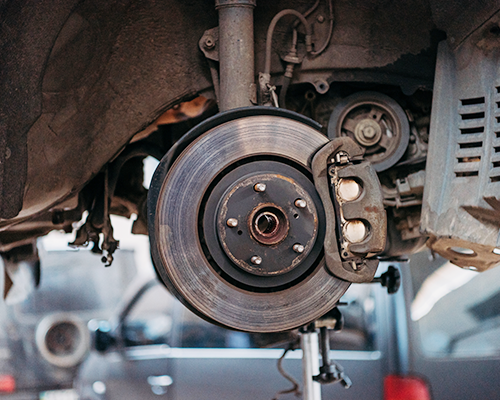
Components of a Vehicle Brake System
- Brake Pads: Provide friction to stop the vehicle.
- Brake Rotors (Discs): Rotating discs that the brake pads clamp onto to stop the vehicle.
- Brake Calipers: House the brake pads and pistons that press the pads against the rotors.
- Brake Fluid: Transfers force from the brake pedal to the brake components.
- Brake Lines and Hoses: Carry brake fluid from the master cylinder to the brakes.
- Master Cylinder: Generates hydraulic pressure when the brake pedal is pressed.
- Brake Drums and Shoes (if applicable): Used in drum brake systems, primarily in older vehicles or rear brakes.
How to Service a Vehicle Brake System
1. Safety Precautions
- Park the vehicle on a flat, level surface.
- Use wheel chocks to prevent the vehicle from rolling.
- Wear safety goggles and gloves.
- Use a jack and jack stands to lift and secure the vehicle.
2. Visual Inspection
- Inspect the brake pads for wear. Replace if they are below the minimum thickness specified by the manufacturer.
- Check the brake rotors for grooves, cracks, or uneven wear. Resurface or replace if necessary.
- Inspect brake lines and hoses for cracks, leaks, or damage. Replace if any issues are found.
- Check the brake calipers for leaks and ensure the pistons move smoothly.
3. Checking Brake Fluid
- Locate the brake fluid reservoir under the hood.
- Check the brake fluid level and top up if it is below the minimum mark.
- Inspect the brake fluid for contamination. If the fluid is dark or contains debris, it should be replaced.
4. Replacing Brake Pads
- Remove the wheel to access the brake components.
- Remove the caliper bolts and carefully slide the caliper off the rotor.
- Remove the old brake pads and inspect the caliper for any damage.
- Compress the caliper piston using a C-clamp or a brake caliper tool to make room for the new pads.
- Install the new brake pads and reassemble the caliper and wheel.
5. Servicing Brake Rotors
- If the rotors are worn or damaged, they should be resurfaced or replaced.
- Remove the caliper and caliper bracket to access the rotor.
- Remove the rotor from the hub. If it is stuck, gently tap it with a rubber mallet to loosen it.
- Install the new or resurfaced rotor and reassemble the caliper and wheel.
6. Bleeding the Brake System
- Bleeding removes air from the brake lines, ensuring proper hydraulic pressure.
- Start with the wheel farthest from the master cylinder (usually the passenger rear) and work towards the closest.
- Attach a clear hose to the bleeder valve on the brake caliper and place the other end in a container with brake fluid.
- Have an assistant press the brake pedal while you open the bleeder valve. Close the valve before the pedal is released.
- Repeat until no air bubbles are visible in the fluid and the brake pedal feels firm.
7. Checking the Parking Brake
- Test the parking brake for proper operation. Adjust if necessary to ensure it holds the vehicle securely.
Preventive Maintenance Tips
- Regularly check the brake fluid level and condition.
- Inspect brake pads and rotors every 12,000 miles or as recommended by the manufacturer.
- Replace brake fluid every 2 years or as specified in the owner’s manual.
- Pay attention to any unusual noises, vibrations, or changes in brake pedal feel, and address them promptly.
- Keep the brake system components clean and free of debris.
By following these steps, you can ensure that your vehicle’s brake system is in good working condition, providing reliable stopping power and enhancing overall safety.