Services
Fuel System Servicing
Vehicle fuel system servicing involves maintaining and repairing the various components that deliver fuel from the fuel tank to the engine. Proper servicing ensures efficient engine performance, optimal fuel economy, and reduced emissions. Here’s a detailed overview of what fuel system servicing typically includes:
Components of the Fuel System
- Fuel Tank: Stores the fuel.
- Fuel Pump: Pumps fuel from the tank to the engine.
- Fuel Filter: Filters out contaminants from the fuel.
- Fuel Injectors or Carburetor: Delivers fuel into the engine’s combustion chambers.
- Fuel Lines: Transport fuel from the tank to the engine.
- Fuel Pressure Regulator: Maintains consistent fuel pressure.
- Steps in Fuel System Servicing
Visual Inspection: Check for any visible signs of damage, leaks, or corrosion in the fuel tank, fuel lines, and connections.
Fuel Pump Operation: Ensure the fuel pump is operating correctly and maintaining proper pressure.
Injector or Carburetor Check: Inspect the injectors or carburetor for clogs, leaks, or malfunctioning parts.
2. Cleaning
Fuel Injectors: Use specialized cleaning solutions to remove deposits from the injectors, ensuring they spray fuel efficiently.
Throttle Body and Intake Valves: Clean the throttle body and intake valves to remove carbon deposits.
Fuel Tank: In some cases, the fuel tank may need to be cleaned to remove sediment and contaminants.
3. Fuel Filter Replacement
Filter Change: Replace the fuel filter to ensure clean fuel is reaching the engine, preventing clogs and ensuring proper fuel flow.
4. Fuel Pump Servicing
Pump Inspection: Check the fuel pump for wear and tear, and replace it if necessary.
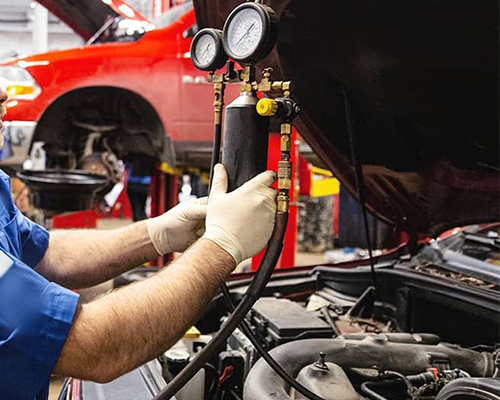
Pressure Testing: Perform a fuel pressure test to ensure the pump is providing the correct pressure.
5. Fuel Line Maintenance
Leak Check: Inspect fuel lines for leaks or cracks and replace any damaged sections.
Line Cleaning: Clean fuel lines to remove any blockages or buildup of contaminants.
6. System Diagnostics
Computer Diagnostics: Use diagnostic tools to check the vehicle’s computer for any error codes related to the fuel system.
Performance Testing: Test the vehicle’s performance to ensure the fuel system is functioning properly after servicing.
Benefits of Fuel System Servicing
Improved Fuel Efficiency: Clean and well-maintained fuel system components ensure the engine uses fuel more efficiently.
Enhanced Engine Performance: Proper fuel delivery leads to better combustion and smoother engine operation.
Reduced Emissions: A well-maintained fuel system helps reduce harmful emissions, contributing to a cleaner environment.
Prevention of Costly Repairs: Regular servicing can prevent major fuel system failures and expensive repairs.
Frequency of Fuel System Servicing
Manufacturer Recommendations: Follow the vehicle manufacturer’s recommended service intervals, typically found in the owner’s manual.
Driving Conditions: Vehicles driven in harsh conditions (e.g., dusty environments, and frequent short trips) may require more frequent servicing.
Signs of Trouble: If you notice decreased fuel efficiency, engine misfires, rough idling, or other performance issues, it may be time for a fuel system check.
DIY vs. Professional Servicing
DIY Maintenance: Basic tasks like replacing the fuel filter or using fuel injector cleaners can often be done by knowledgeable car owners.
Professional Servicing: More complex tasks, such as fuel injector cleaning, fuel pump replacement, and comprehensive diagnostics, should be performed by a qualified mechanic.
Regular fuel system servicing is essential for maintaining your vehicle’s performance, efficiency, and longevity. If you’re unsure about any aspect of fuel system maintenance, it’s always best to consult with a professional mechanic.