Services
Transmission System Servicing
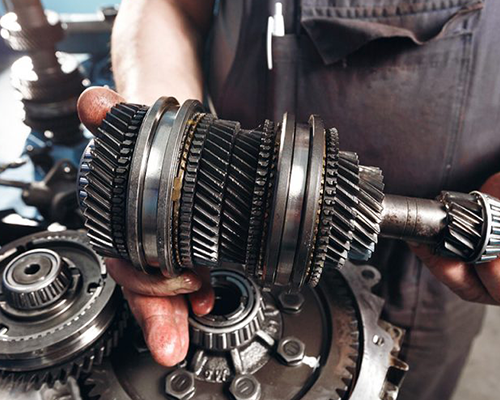
Servicing a vehicle’s transmission system is crucial for maintaining optimal performance, efficiency, and longevity. The transmission system includes components like the transmission fluid, filter, pan, and, depending on the type, the torque converter (automatic) or clutch (manual). Here’s a detailed guide on how to service a vehicle’s transmission system:
Components of a Vehicle Transmission System
- Transmission Fluid: Lubricates and cools the transmission components.
- Transmission Filter: Removes contaminants from the transmission fluid.
- Transmission Pan: Holds the transmission fluid.
- Torque Converter (Automatic): Transfers power from the engine to the transmission.
- Clutch (Manual): Engages and disengages the transmission from the engine.
- Gaskets and Seals: Prevent fluid leaks.
- Transmission Cooler: Helps to cool the transmission fluid.
How to Service a Vehicle Transmission System
1. Safety Precautions
- Park the vehicle on a flat, level surface.
- Use wheel chocks to prevent the vehicle from rolling.
- Wear safety goggles and gloves.
- Use a jack and jack stands to lift and secure the vehicle if necessary.
2. Checking Transmission Fluid
- Locate the transmission dipstick (for vehicles equipped with one) or the transmission fill/check plug.
- With the engine running and the vehicle in Park (automatic) or Neutral (manual), check the fluid level. The fluid should be within the recommended range.
- Inspect the fluid for color and odor. Healthy fluid is typically red or pink and has a slightly sweet smell. Dark, burnt-smelling fluid indicates a need for service.
3. Draining the Transmission Fluid
- Place a drain pan under the transmission pan.
- Remove the transmission pan bolts or the drain plug (if equipped) to drain the old fluid.
- Allow the fluid to drain completely.
4. Replacing the Transmission Filter
- Remove the transmission pan to access the filter.
- Carefully remove the old filter and any associated seals or gaskets.
- Install the new filter and secure it in place. Make sure to use new seals or gaskets if required.
5. Cleaning the Transmission Pan and Magnet
- Clean the transmission pan thoroughly, removing any sludge or debris.
- Inspect and clean the magnet inside the pan, which collects metal shavings.
- Install a new gasket on the transmission pan.
6. Reinstalling the Transmission Pan
- Reinstall the transmission pan with the new gasket, ensuring all bolts are torqued to the manufacturer’s specifications.
- If equipped, replace the drain plug and torque it to the specified setting.
7. Refilling Transmission Fluid
- Locate the transmission fill port. This may be the dipstick tube or a fill plug on the transmission itself.
- Using a funnel, add the recommended type and amount of transmission fluid. Consult the owner’s manual for specifications.
- Start the engine and allow it to idle. Shift through all the gears to circulate the new fluid.
- Recheck the fluid level and add more if necessary to bring it to the correct level.
8. Checking for Leaks
- Inspect the transmission pan, drain plug, and fill port for any signs of leaks.
- Tighten any loose bolts or connections as needed.
9. Test Drive
- Take the vehicle for a test drive to ensure the transmission is operating smoothly.
- Pay attention to any unusual noises, shifting issues, or other symptoms that could indicate a problem.
Preventive Maintenance Tips
- Regularly check the transmission fluid level and condition, typically every 12,000 to 15,000 miles or as recommended by the manufacturer.
- Replace the transmission fluid and filter according to the manufacturer’s service intervals, usually between 30,000 to 60,000 miles.
- Address any transmission issues promptly to prevent further damage.
- Avoid aggressive driving and excessive towing, which can strain the transmission.
- Ensure the transmission system is inspected during routine maintenance or when you notice any signs of trouble.
By following these steps, you can ensure that your vehicle’s transmission system remains in good working condition, providing smooth shifting, reliable performance, and extended lifespan.